|
|
|
IN THIS ISSUE
|
|
|
|
|
|
Dear Friends,
In this newsletter please enjoy an article on the well-deserved award to GSI Board of Advisors Member, Frank von Hippel, and his insightful comments as well as announcements of several events with my participation.
I am deeply honored to have been able to contribute to many of these efforts, and I would like to highlight the article on the UN initiative establishing a High-Level Panel of Scientists to Review Deadly Threats from Nuclear Weapons. The article quotes the prestigious Canberra Commission, convened by the Government of Australia:
“The destructiveness of nuclear weapons is immense. Any use would be catastrophic... There is no doubt that, if the peoples of the world were more fully aware of the inherent danger of nuclear weapons and the consequences of their use, they would reject them, and not permit their continued possession or acquisition on their behalf by their governments, even for an alleged need for self-defence.”
There is no doubt that our work is presently exceptionally difficult. When fear and distrust grow among nations, the danger of bullets becoming the verbs of communication increases. Our task is to sustain advocacy for reason, dialogue, and cooperation based on necessity — and, most of all, to never forget our common humanity.
With Respect,
Jonathan Granoff,
President, Global Security Institute
|
 |
|
|
|
ADVISORY BOARD
|
 |
|
|
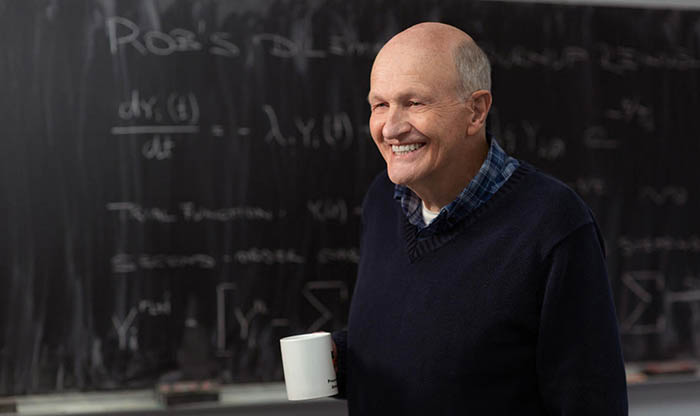
Professor Frank von Hippel Awarded Göttingen Peace Prize 2025
|
|
|
|
The Göttingen Peace Prize 2025 of the Dr. Roland Röhl Foundation has been awarded to the renowned theoretical physicist and Global Security Institute Advisory Board member Professor Frank von Hippel for his extraordinary services and his tireless commitment to peace and security. Read his presentation here. The award recognized von Hippel’s contribution as “co-founder and co-director of the Program on Science and Global Security at Princeton University, New Jersey, a world-renowned institution for peace science research and education on technical and political aspects of nuclear arms control and disarmament."
Significantly, in early June 2025, von Hippel — along with co-authors Alexander Glaser, Zia Mian, and Seyed Hossein Mousavian — proposed a practical framework for resolving nuclear issues relating to iran — a nuclear consortium of concerned regional powers. Published in the Bulletin of the Atomic Scientists, their plan envisioned Iran, Saudi Arabia, the UAE, and Oman jointly pursuing uranium enrichment under the strict oversight of the IAEA. This initiative offered a pragmatic, transactional approach grounded in economic cooperation rather than geopolitical rivalry. It could have aligned regional interests with U.S. diplomacy through commerce instead of coercion. As recent events unfold, the proposal stands as a clear reminder of a path not taken. This missed opportunity may well have defused tensions through shared prosperity rather than military escalation. It is important to note the failure of the mainstream media to articulate viable, practical proposals from recognized experts that could have inform the public throroughly, so that our political agency could be effectively advanced.
|
|
|
| Read More |
|
|
 |
|
|
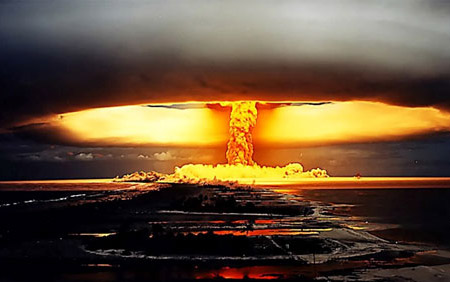
A High-Level Panel of Scientists to Review Deadly Threats from Nuclear Weapons
|
|
|
|
The appointment last week of a 21-member Panel of scientists, following a General Assembly resolution, has been described as “a response to a global environment in which the risk of nuclear war is higher than at any point since the depths of the Cold War”.
|
| Read More |
|
|
|
EVENTS
|
 |
|
|
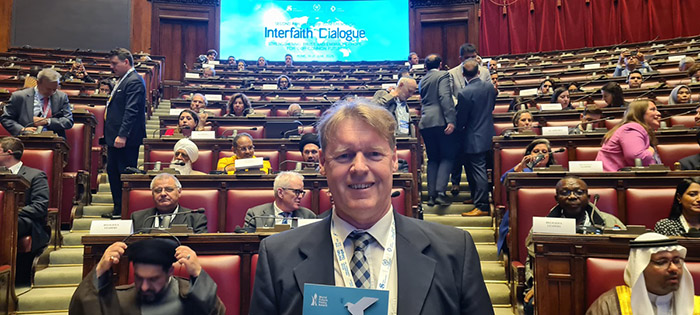
PNND Joins Parliamentarians in Rome to Champion Inter-faith Dialogue For Our Common Future.
|
|
|
|
PNND joined parliamentarians and religious leaders from more than 100 countries, meeting in Rome from June 19-21, for the Second Parliamentary Conference on Interfaith Dialogue: Strengthening trust and embracing hope for our common future. The conference was hosted by the Italian Parliament and organized by the Inter-Parliamentary Union and Religions for Peace. It culminated in the adoption of the Rome Communiqué, in which the participants:
-
Condemn the misuse of religion or belief to incite hatred or violence;
-
Promote the essential role of parliamentary and religious diplomacy in fostering peace;
-
Uphold democratic values, human rights and inclusive governance for all;
-
Affirm the importance of education for peace, empathy and critical thinking in order to equip citizens with the skills to resist fear-based and divisive rhetoric;
-
Empower young people, as agents of peace and interfaith understanding, to shape the decisions about the future they are set to inherit, and the health of our planet.
|
| Read More |
|
|
|
|
|
 |
|
|
Shaping the Future of Education with the United Nations Development Programme and the World Academy of Art and Science in Istanbul
|
|
|
|
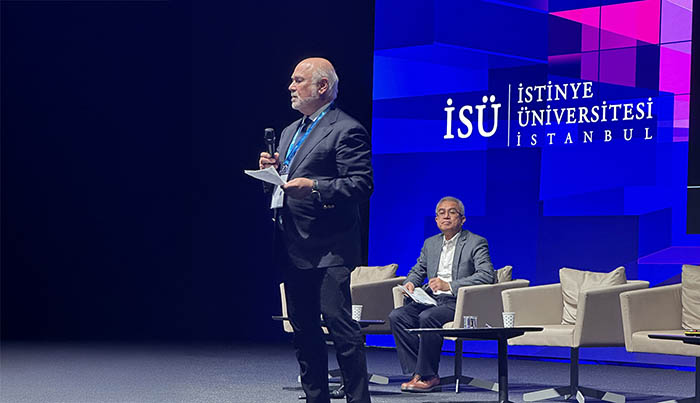
In a panel discussion at Istinye University in Istanbul on 12 December, 2024 titled “A Vision of Future Education,” GSI President and Trustee and Fellow of the World Academy of Art and Science, Jonathan Granoff, along with UNDP representatives discussed the crucial role of education and the need for a global core curriculum in addressing pressing issues such as poverty, inequality, and human security. Panelists included Boaz Paldi, Chief Creative Officer, UNDP; Robert Bernardo, Team Leader, Governance and Peacebuilding Team, Istanbul Regional Hub, UNDP; Heriberto Tapia, Research and Strategic Partnership Advisor, Human Development Report Office, UNDP.
|
|
|
| Read and Watch Video |
|
|
|
|
|
|
 |
|
|
Inter-Parliamentary Union Hearings at the United Nations
|
|
|
|
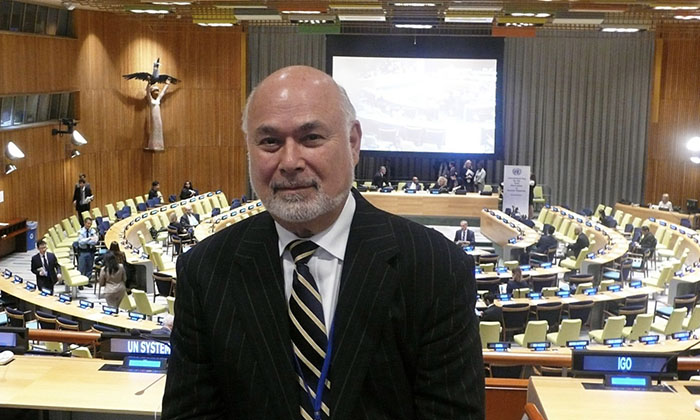
On 13 and 14 February, 2025 the Inter-Parliamentary Union (IPU) and UNGA hosted some 300 participants, including parliamentarians, Speakers of Parliament, advisers and experts, from more than 60 countries at the United Nations Headquarters in New York for the IPU Hearing at the United Nations.
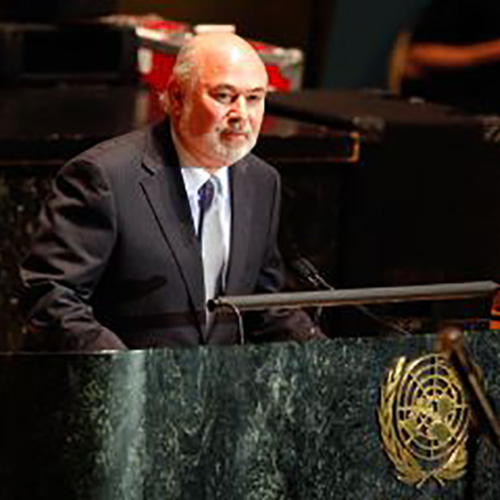
Jonathan Granoff, President of the Global Security Institute presented on behalf of Parliamentarians for Nuclear Nonproliferation and Disarmament (PNND) around the topic “Improved Institutional Capacity For Justice, SDG 16.”
|
|
|
| Read The Speech Here |
|
|
|
|
|
|
 |
|
|
Security, Science, and Peace Conference Addresses Global Challenges
|
|
On January 22, 2025, the fourth “Security, Science and Peace” conference took place as a collaboration between Pugwash Croatia, an affiliate of the Pugwash Conferences on Science and World Affairs, the World Academy of Art and Science, and the Ideje.hr portal.
In a session titled “How can Religion Contribute to World Peace,” Jonathan Granoff, President of the Global Security Institute, emphasized the capacity of religions to awaken human conscience and their obligation to highlight the inherent humanism bestowed upon everyone.
|
|
|
| Read More and Watch Here |
|
|
|
|
|
|
|
ANALYSIS
|
 |
|
|
Nuclear Weapons, Far From Diminishing, Keep Rising
|
|
|
|
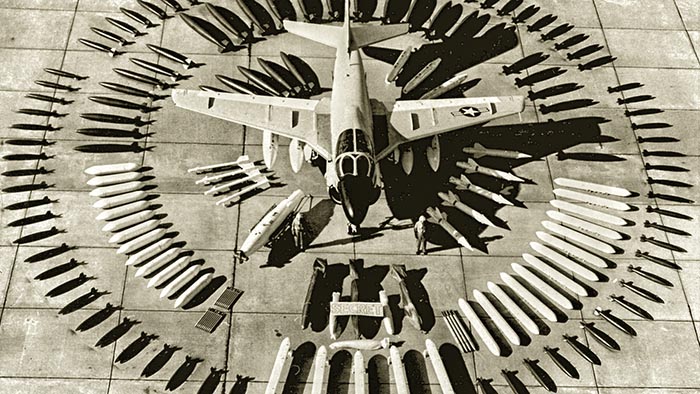
An article by Thalif Deen, IPS United Nations bureau chief and regional director North America, explores the dramatically evolving geopolitical tensions amid “dangerous nuclear rhetoric and threats” — that should be a stark wake-up call for States to take action to support the legally binding atomic weapon ban treaty.
“The more the weapons are improved in their accuracy and destructive capacity the less security is obtained," says Jonathan Granoff, President of the Global Security Institute.
|
|
|
| Read More |
|
|
|
|
|
|
|
|
|
|
|
|
|
|
We believe as Senator Alan Cranston used to say, “Nuclear weapons are unworthy of civilization.” We research, write, convene, and work on many levels, from heads of state to public advocacy and need your strong economic support to succeed.
|
| Donate Here |
|
|
|
|
|
|
|
|
|
Opinion: A Golden Rule For The 21st Century: Treat the Lives and Well Being of Future Generations as We Wish to Be Treated
Read More →
|
|
|
|
|
|
|
|
|
|
Insight: Ambassador Douglas Roche on Peace, Disarmament and International Law
Read More →
|
|
|
|
|
|
|
|